AMBER | CIRCULAR KNITTED FABRIC FACTORY
Better Knitted Fabrics Begin With Yarn And Loop Structure
Controlled construction, weight, stretch and hand feel in every roll
Amber develops knitted fabrics around loop construction and stretch performance. From a swatch or garment use, we confirm yarn composition and count, machine gauge, structure, weight, finished width, stretch, recovery and finishing direction, then support trial knitting, sampling and bulk production.
UNDERSTANDING KNITS
Fiber content matters, but loop formation defines performance.
The same fiber composition can produce completely different thickness, stretch, drape and hand feel as yarn count, gauge, stitch length, density and finishing change.
T-shirts need lightness, breathability and skew control; activewear requires stretch, recovery and moisture management; sweatshirts depend on terry structure, warmth and bulk; close-to-skin garments prioritize softness and dimensional stability.
For sample development we compare surface construction, yarn, weight, width, elasticity and finish. For repeat bulk, the approved sample guides yarn lots, machine settings, greige condition and finished performance.
Serving customers in Japan, Korea, Europe and North America.
CIRCULAR KNITTING FOUNDATION
Production resources for development and bulk
Multiple machine specifications and coordinated production, technical, inspection and warehouse teams support the process from trial knitting to finished rolls.
Capacity and sampling time vary with structure, yarn, color, finishing and order mix and are confirmed for each project.
KNIT STRUCTURES AND PRODUCTS
Different loop structures create different wear performance
Machines in multiple gauges support jersey, interlock, rib, pique, mesh and terry development. Yarn and construction are selected based on garment shape, use, performance and target cost.
Common yarns include cotton, polyester, nylon, viscose, modal, spandex, recycled fibers and blends. Yarn count, evenness, twist, lot and ratio are evaluated for surface, hand feel, stretch and finished stability.
FROM YARN CONES TO FINISHED KNITS
How knitted fabric is made
Stable loop formation is followed by dyeing, heat setting, finishing and inspection to achieve the approved performance.
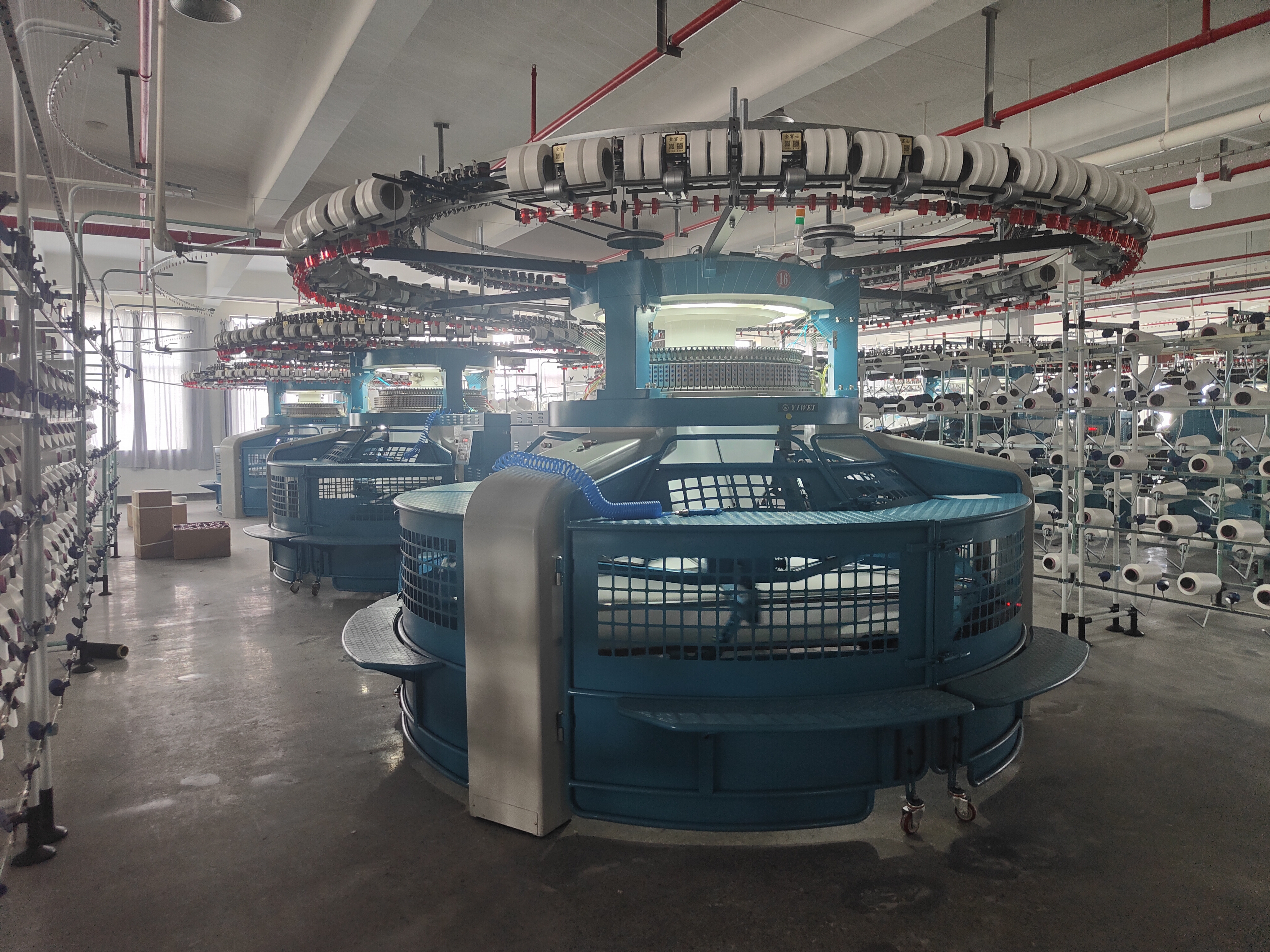 Circular Knitting
Target structures formed to approved gauge, feeds and stitch
settings
Circular Knitting
Target structures formed to approved gauge, feeds and stitch
settings
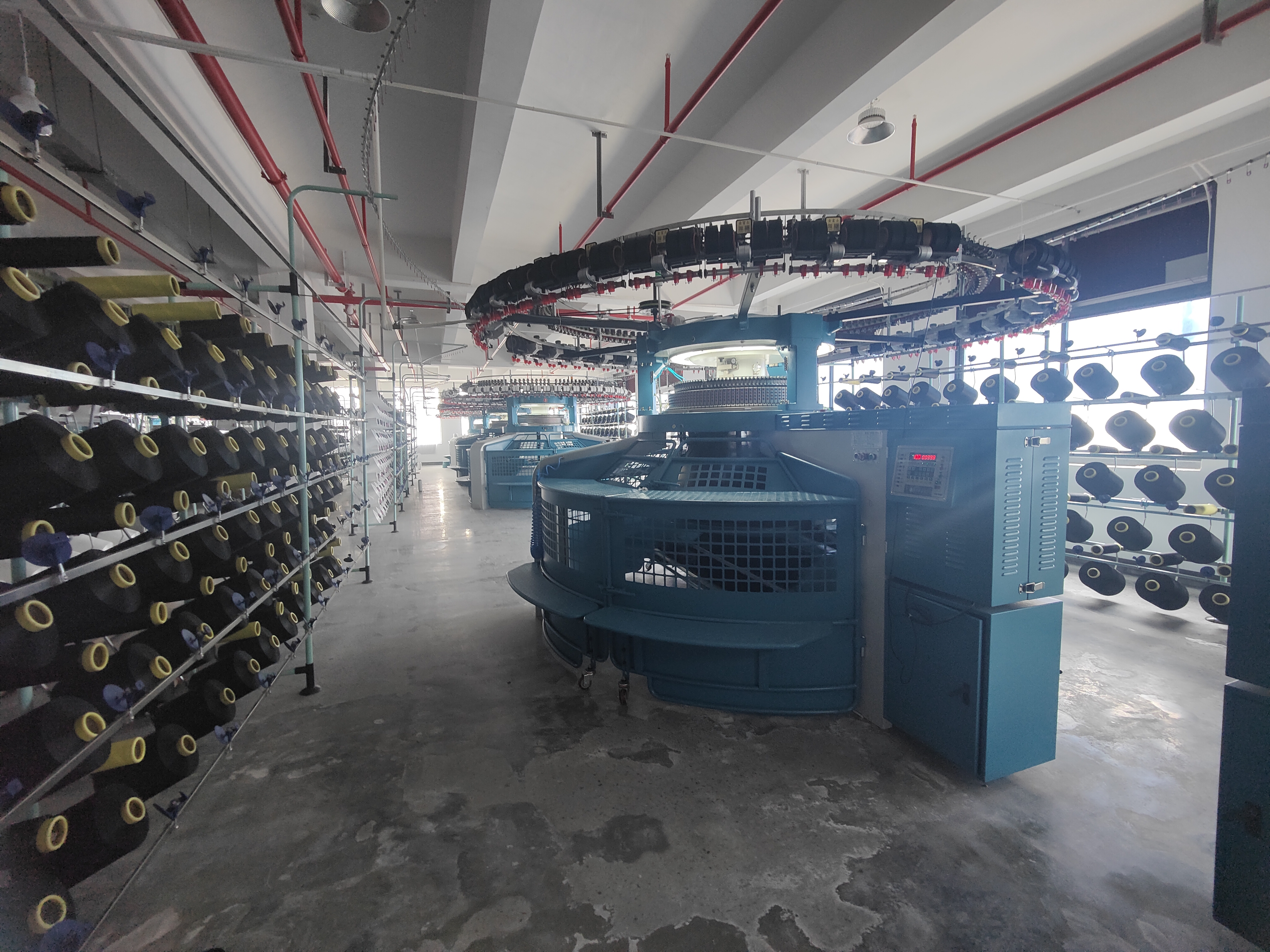 Yarn PreparationComposition, count, color, lot and quantity checks
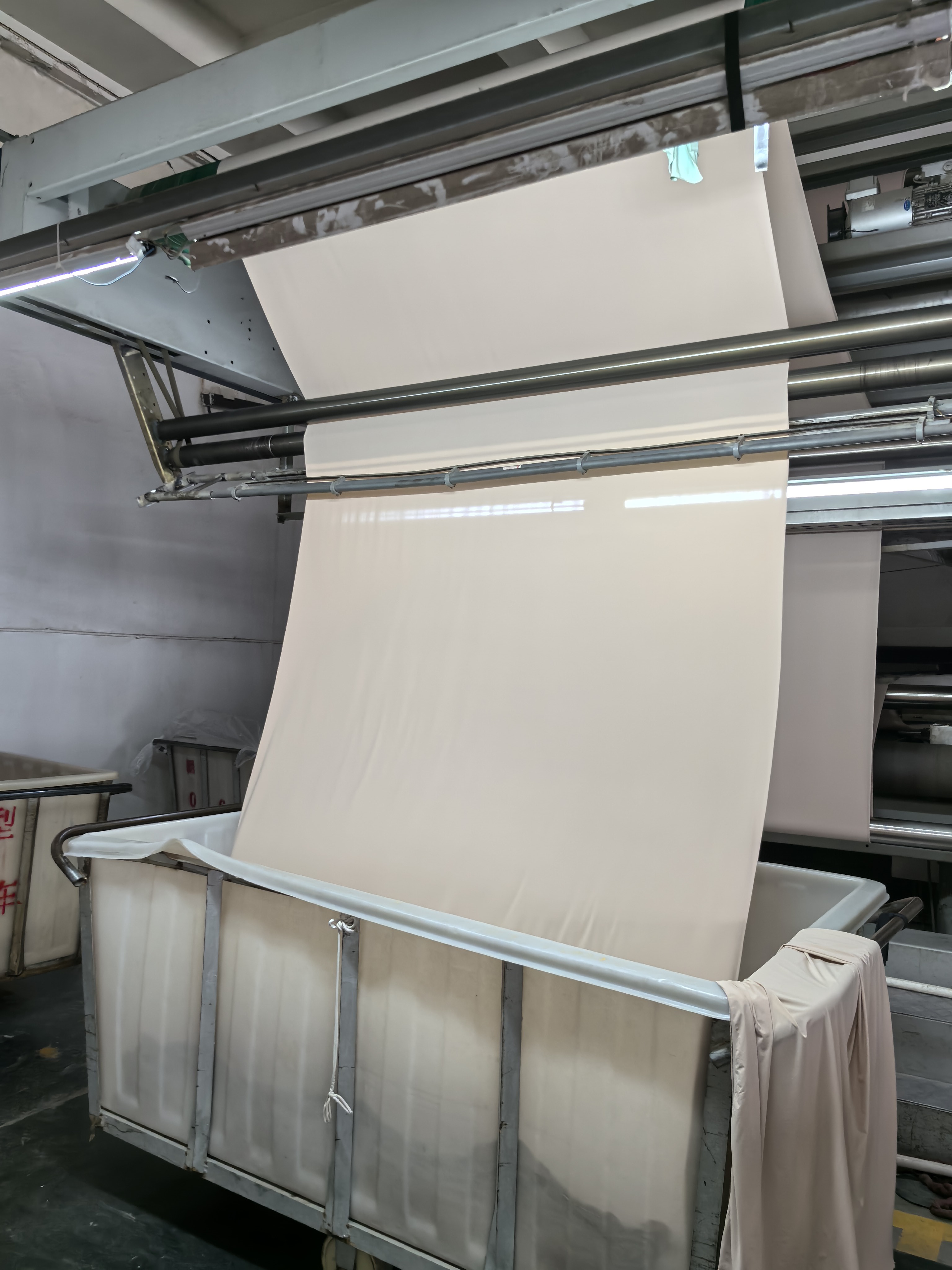 Greige Take-down and RollingMachine and roll records with initial surface checks
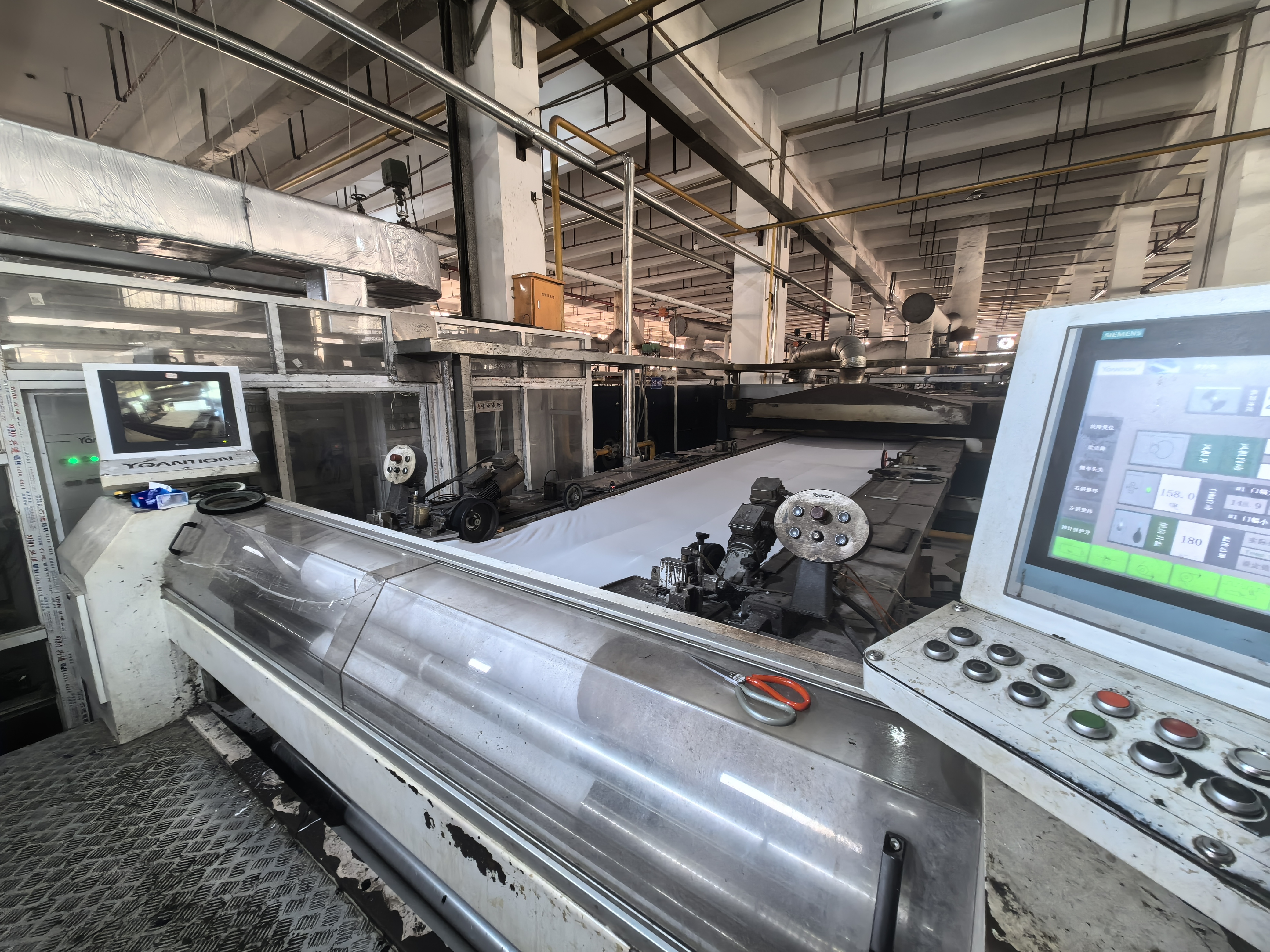
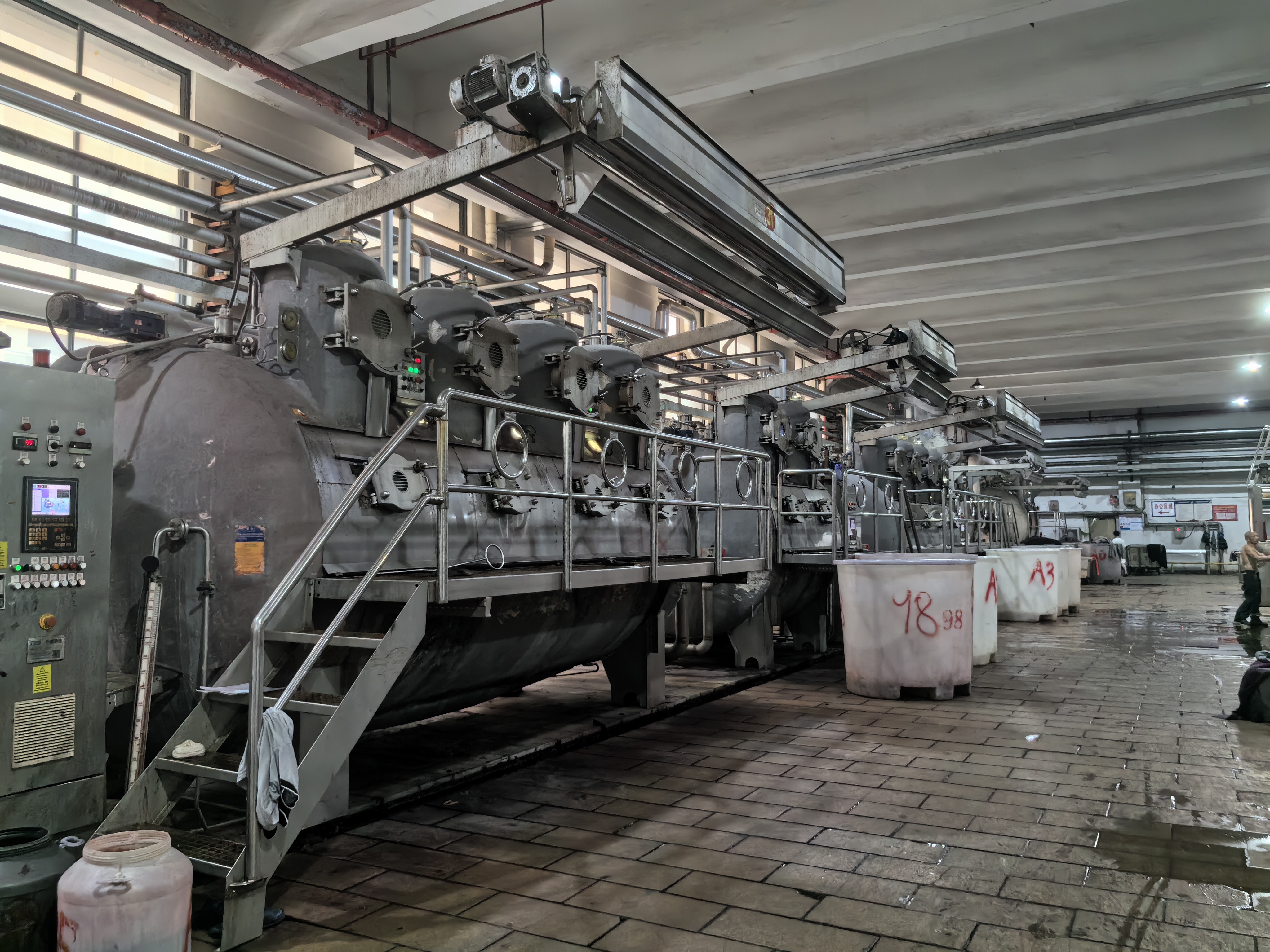 Dyeing, Setting and Finishing
Color, width, weight, hand feel and dimensional
stability
Dyeing, Setting and Finishing
Color, width, weight, hand feel and dimensional
stability
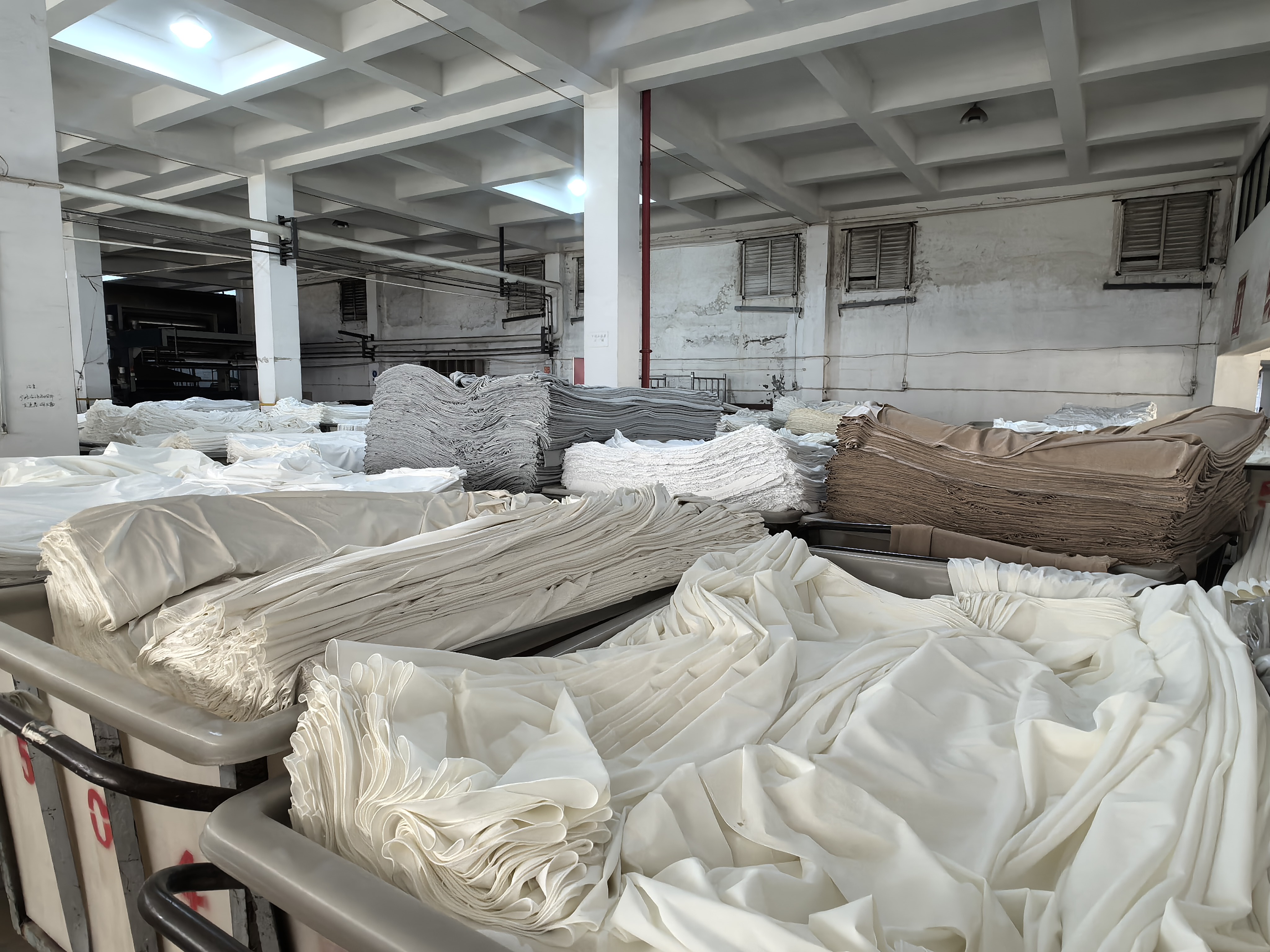 Finished Fabric Inspection
Weight, width, shade, needle lines, surface and
defects
Finished Fabric Inspection
Weight, width, shade, needle lines, surface and
defects
 Relaxing and Rerolling
Fabric relaxation followed by length, surface and roll
checks
Relaxing and Rerolling
Fabric relaxation followed by length, surface and roll
checks
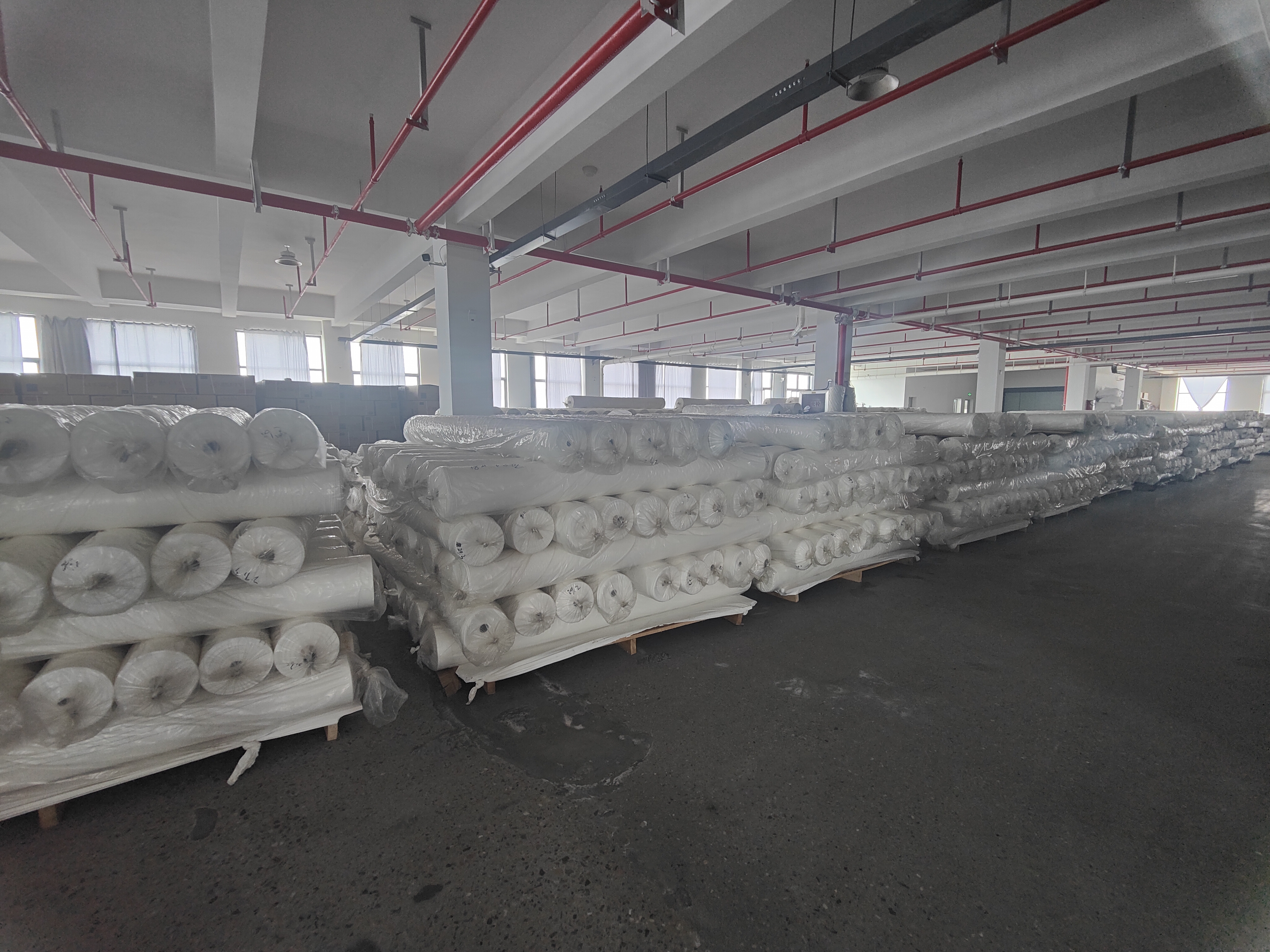 Packing, Storage and ShippingLabels, packing, quantity and shipment preparation
KNITTED QUALITY CONTROL
We inspect the surface and its stability in wear and washing.
Beyond color, weight, width and visible defects, knitted fabrics may require checks for stretch recovery, shrinkage, skew, pilling and batch variation.
KNIT DEVELOPMENT PRIORITIES
Turn subjective hand feel and wear requirements into producible knit parameters.
You do not need every technical detail at the start. Amber works from the sample and end use.
Sample Structure Analysis Identify the closest production direction from loops, yarn, weight, stretch and finish.
Weight and Width Balance Account for garment consumption and finishing changes.
Stretch and Recovery Optimize extension and recovery through yarn, spandex and density.
Hand Feel and SurfaceDevelop soft, crisp, lofty, fine or dry-touch effects.
Wash StabilityAddress shrinkage, skew, pilling and post-wash appearance.
Bulk Continuity Control yarns, machines, color and finishing across production lots.
START A KNITTED FABRIC PROJECT
Send a swatch or garment sample. We will begin with the loop structure.
Share end use, composition, weight, width, color, hand feel, stretch direction, wash requirements, quantity and target timing when available. A sample or reference image is enough to start.