AMBER | SPECIALIZED LACE FABRIC FACTORY
Light, Refined Lace Begins With The Ground And Pattern Repeat
Fine motifs, defined edges and controlled stretch
Amber develops lace around ground construction, pattern structure, yarn and heat-setting performance. From a swatch, design direction or garment sample, we confirm repeat size, width, stretch recovery, edge shape, color and target hand feel before sampling and bulk production.
UNDERSTANDING THE GROUND
Lightness, stretch and visual depth come from the combined effect of yarn and construction.
Lace is more than a motif. Mesh size, ground stability, motif coverage, edging and yarn luster determine transparency, stretch, drape and visual depth.
Bridal and occasionwear prioritize fine motifs, edging and matching; lingerie needs softness, recovery and skin comfort; womenswear and home textiles balance appearance, width, hand feel and cost.
Amber analyzes the ground, repeat, stretch direction, yarn and setting effects before defining a development route that can move smoothly from sample to continuous production.
All-over lace, stretch lace, trims, eyelash edges and decorative constructions.
FACTORY OVERVIEW
Lace production at a glance
Pattern design, machine production, dyeing, heat setting and inspection teams work together on each order.
Capacity and sampling time vary with pattern complexity, yarn, stretch, width, color and finishing and are confirmed for each project.
LACE STRUCTURES AND PRODUCTS
Different grounds, repeats and edges support different applications
Garment position, transparency, stretch, softness, visual style and budget guide the ground, yarn, structure and setting plan.
Common yarns include nylon, polyester, spandex, viscose, cotton and decorative blends. Selection depends on motif clarity, stretch, luster, hand feel and cost.
FROM PATTERN TO FINISHED LACE
How a lace pattern is produced
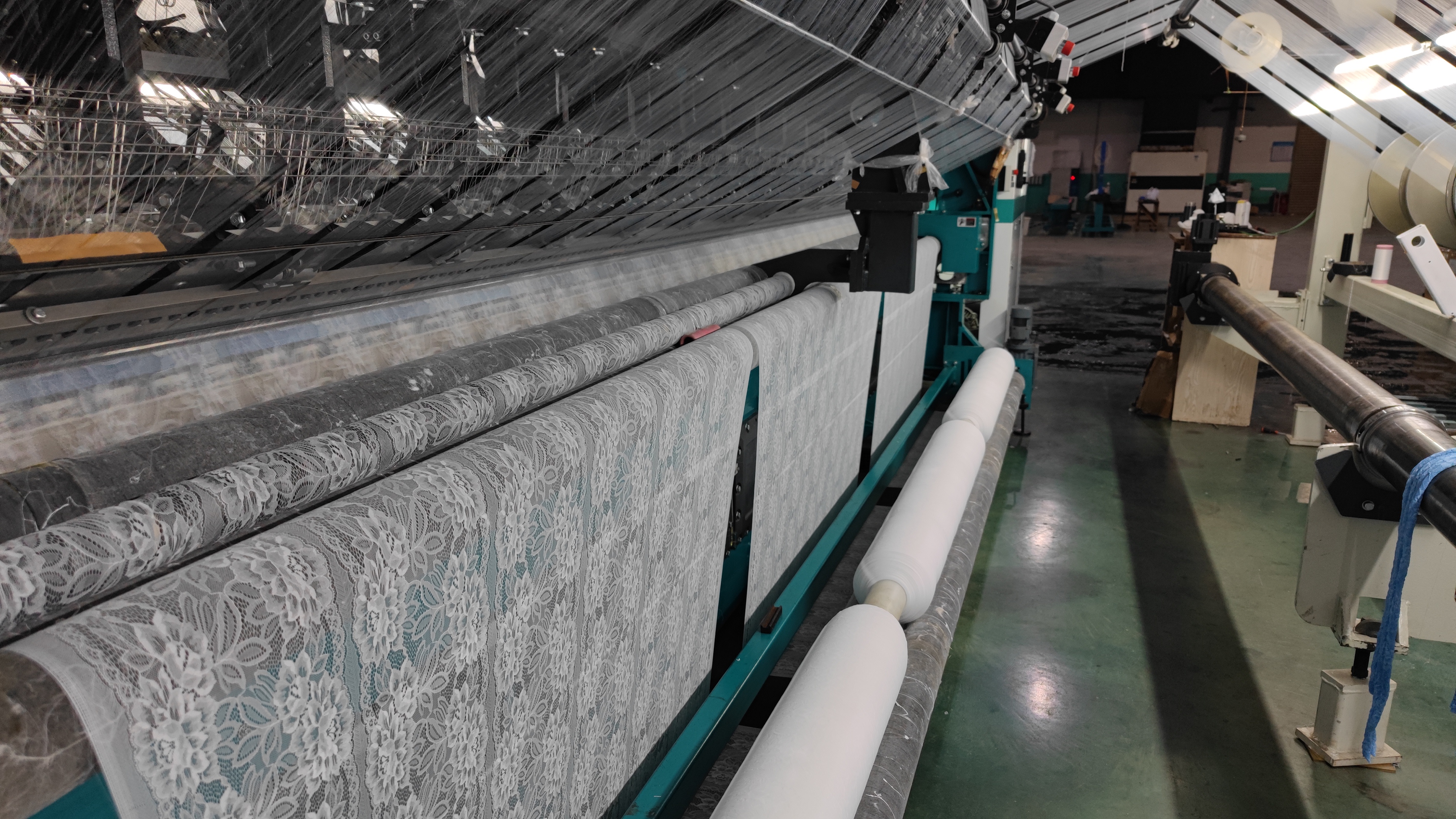
The design becomes a construction plan, followed by yarn preparation, trial knitting, bulk production, dyeing, setting and inspection.
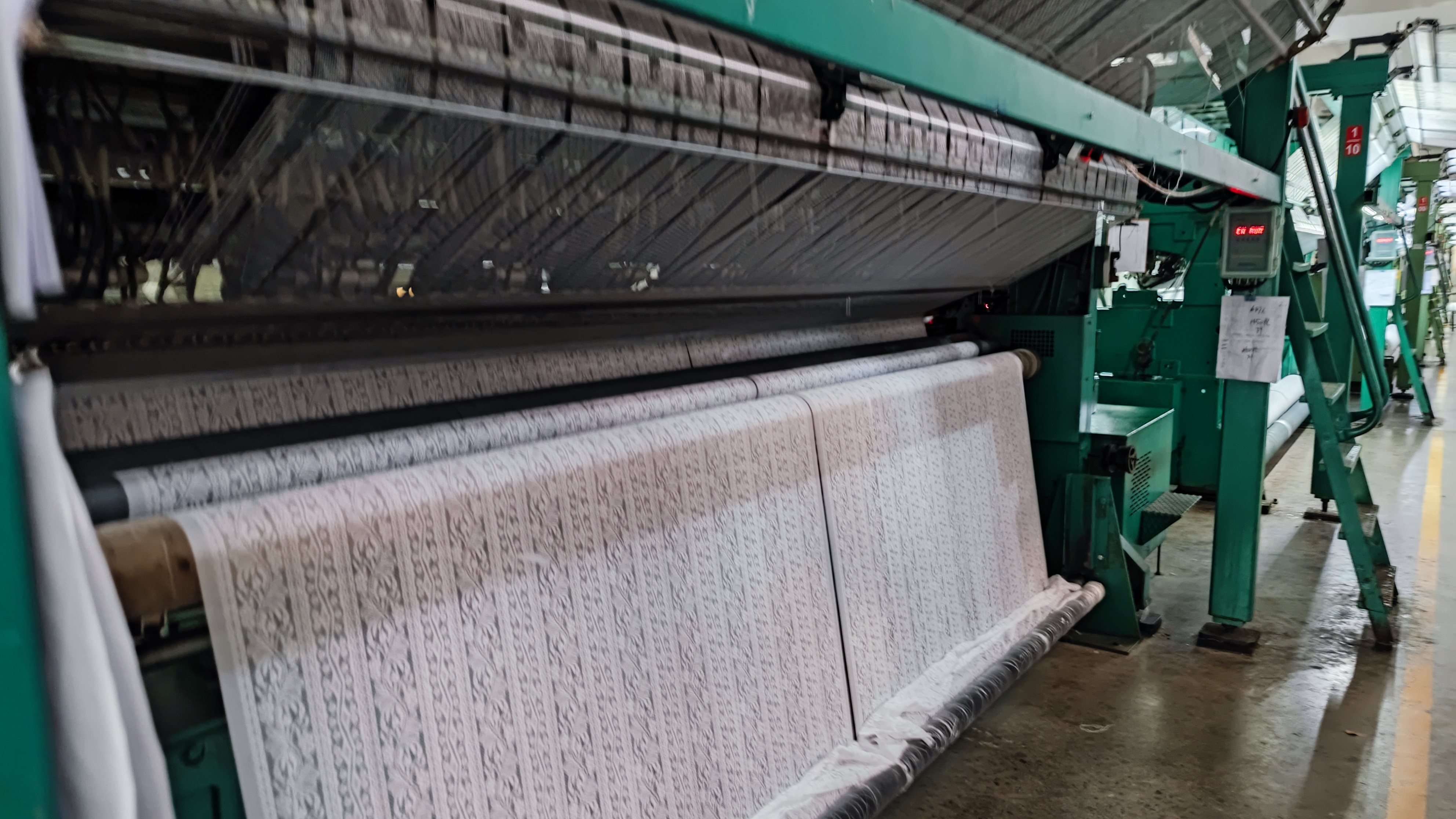 Continuous Lace Knitting
Production to the approved pattern, yarns, construction and machine
settings
Continuous Lace Knitting
Production to the approved pattern, yarns, construction and machine
settings
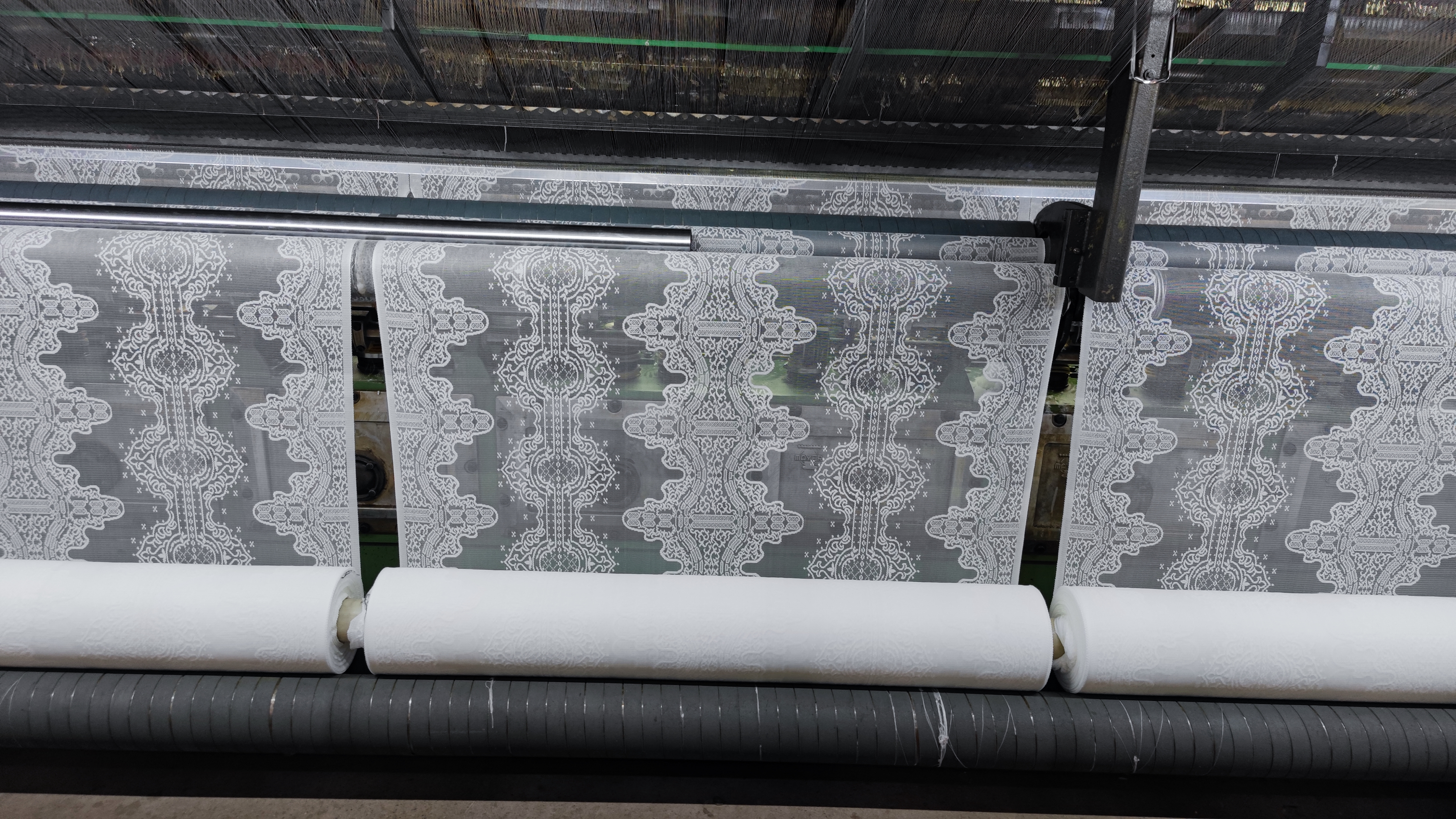 Pattern and Structure DesignGround, repeat, edge, coverage and stretch direction
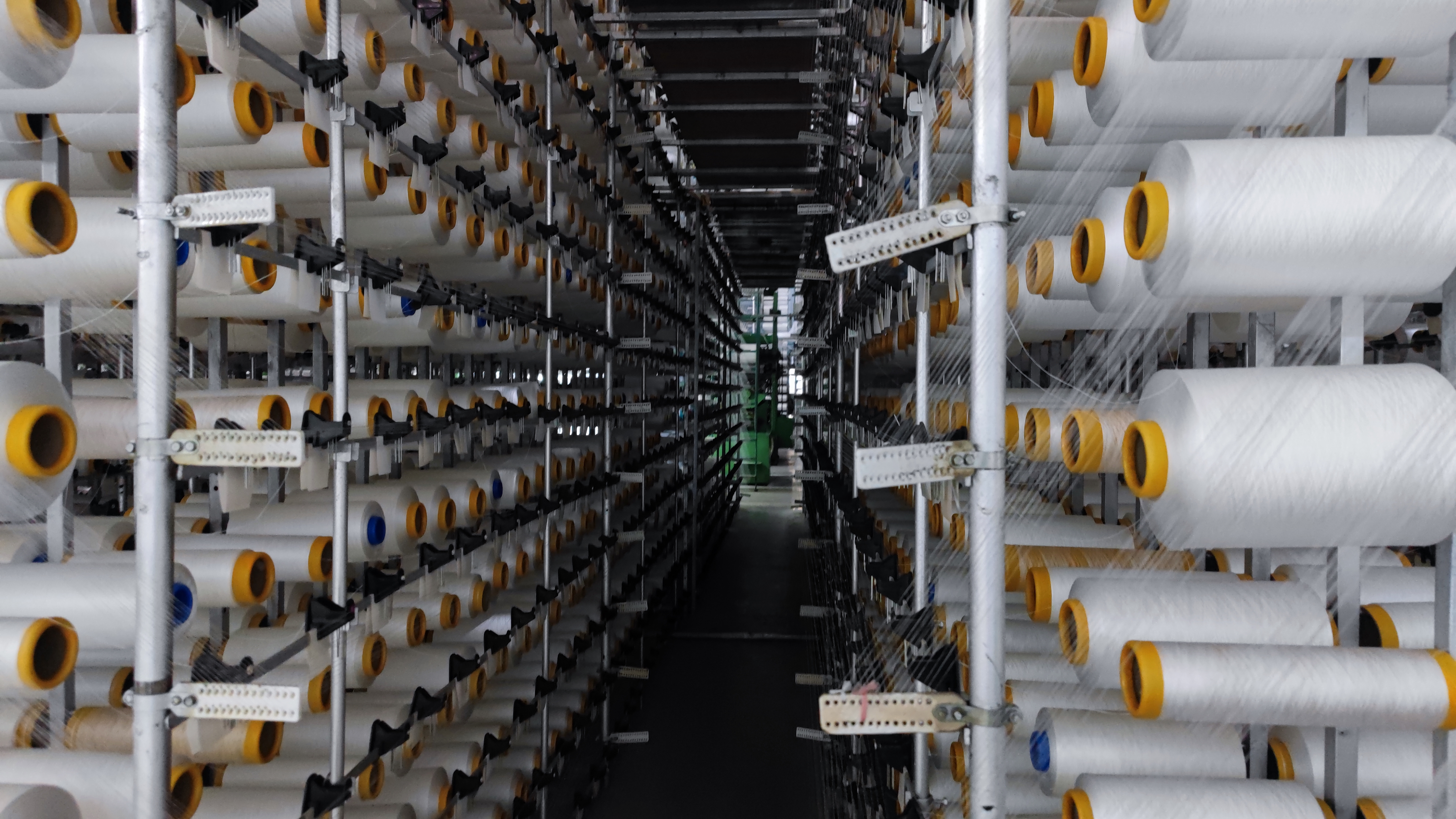
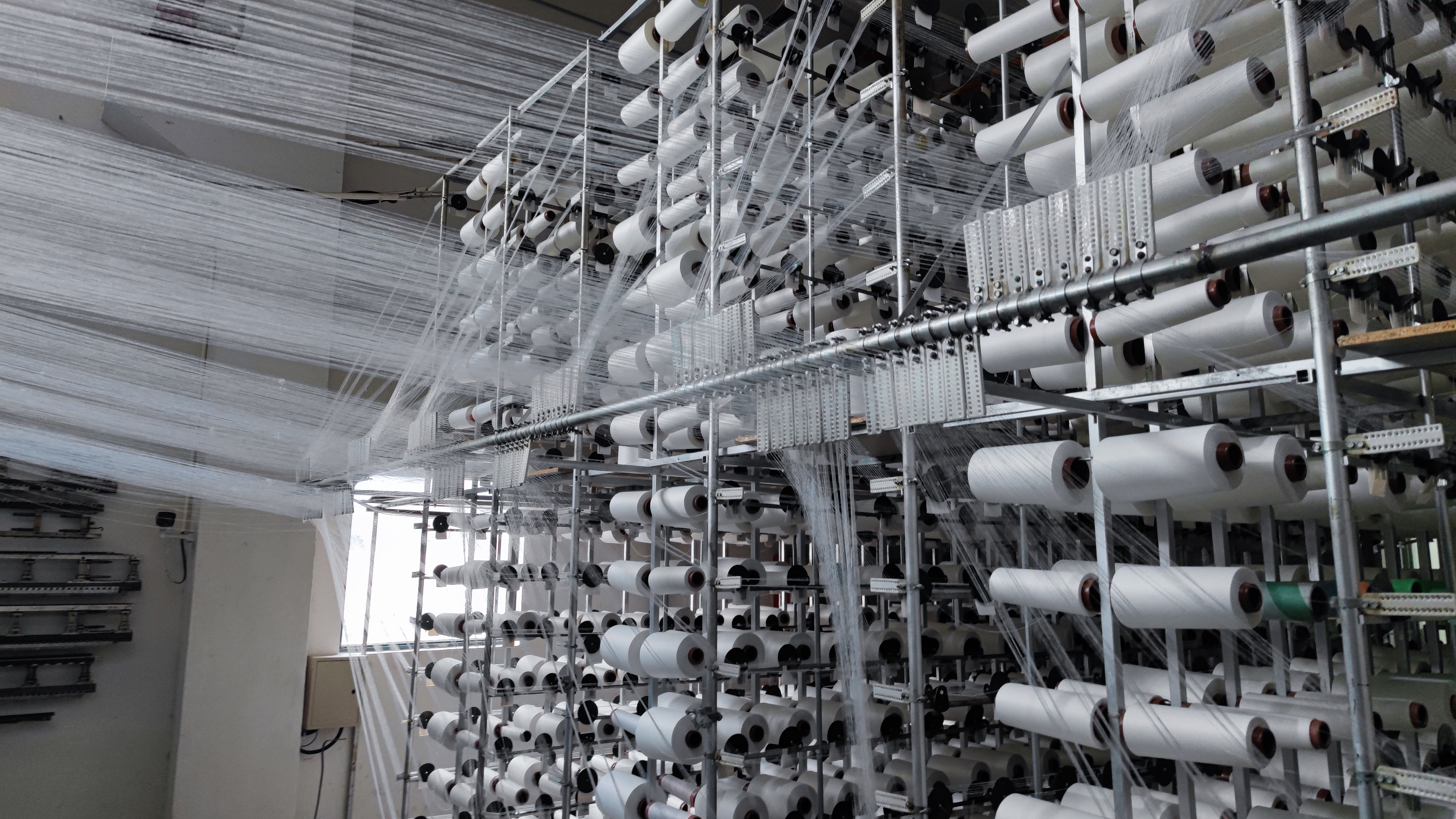 Yarn PreparationMaterial, size, color, stretch yarn and production lots
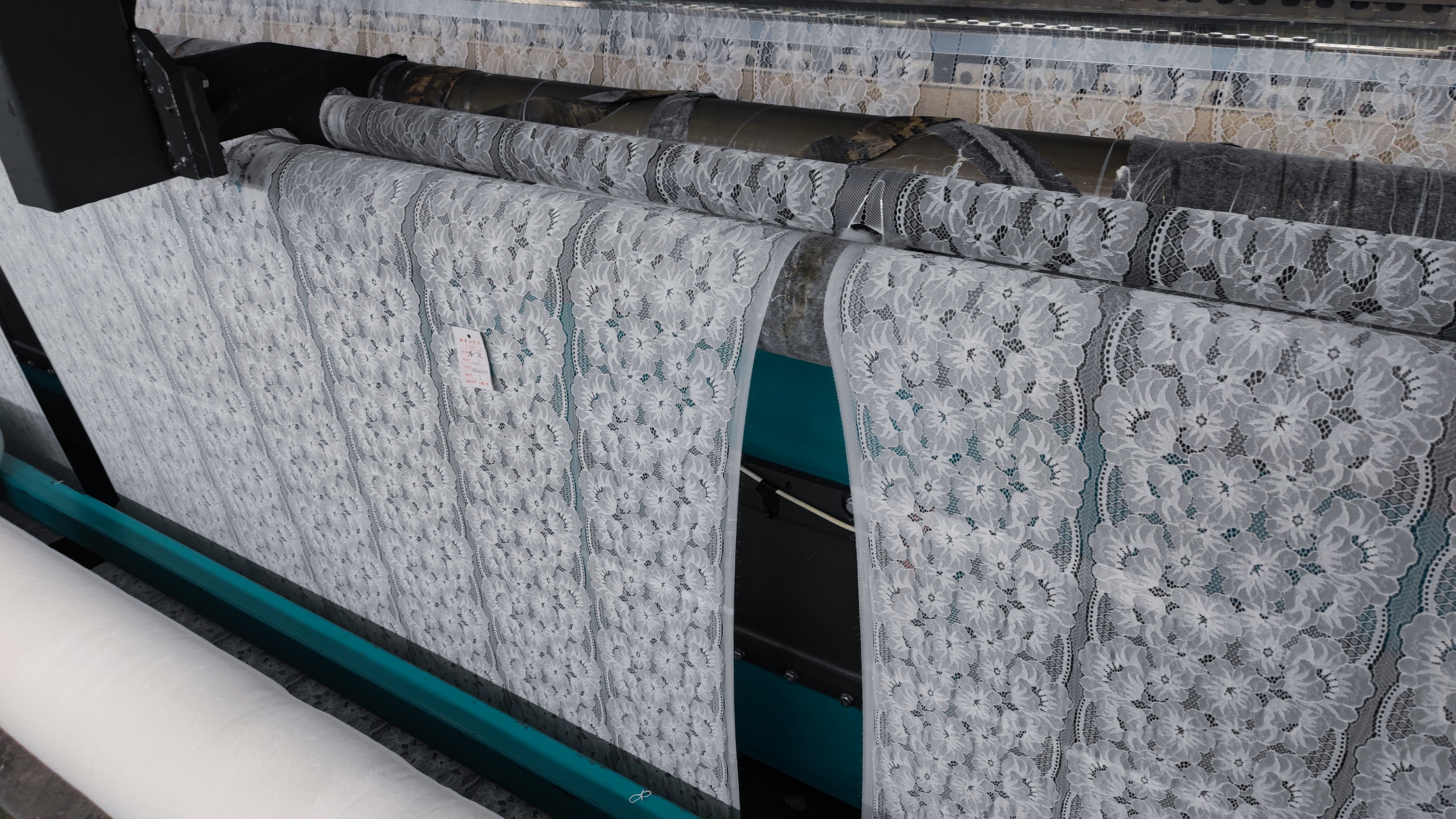 Trial KnittingMotif clarity, mesh, stretch, width and greige condition
 Dyeing and Heat Setting
Color, width, hand feel, stretch and dimensional
stability
Dyeing and Heat Setting
Color, width, hand feel, stretch and dimensional
stability
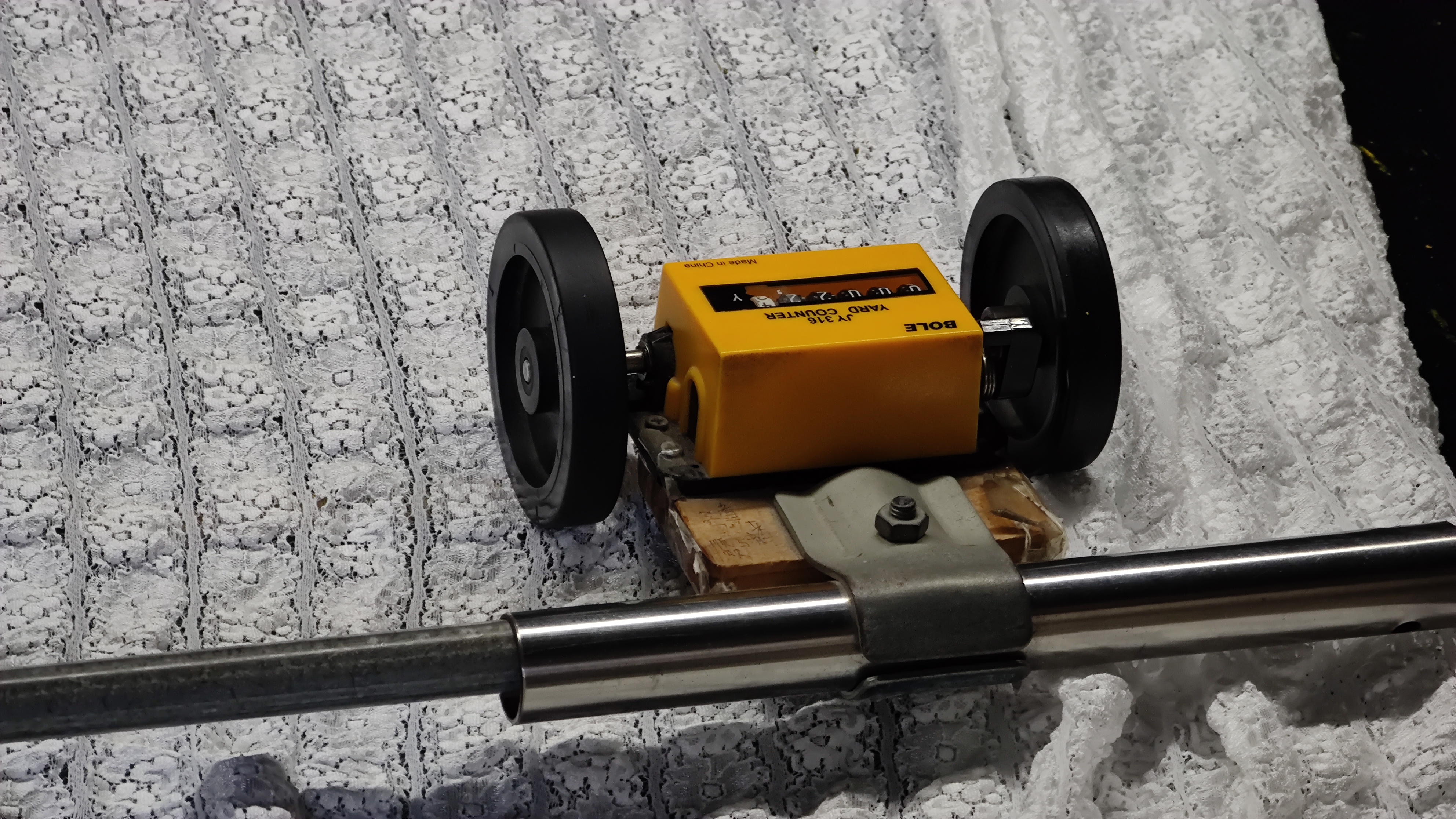 Pattern and Surface Inspection
Broken yarns, missed stitches, holes, repeats, edges and
shade
Pattern and Surface Inspection
Broken yarns, missed stitches, holes, repeats, edges and
shade
 Rerolling, Packing and Shipping
Width, length, labels, quantity and packing
requirements
Rerolling, Packing and Shipping
Width, length, labels, quantity and packing
requirements
LACE QUALITY CONTROL
We check pattern continuity, stretch and setting stability.
Fine broken yarns, missed stitches or tension changes can affect the entire appearance. Controls include color, width, repeat, edge, recovery, shrinkage and surface integrity.
LACE DEVELOPMENT PRIORITIES
Turn pattern style and wearing requirements into a stable construction plan.
Start with a swatch, pattern image or garment reference and Amber will confirm each production detail.
Sample Structure Analysis Identify the ground, repeat, yarn, edge and stretch direction.
Pattern and CoverageBalance transparency, depth, weight and visual target.
Stretch and Recovery Adjust extension for lingerie, womenswear or occasionwear.
Edges and MatchingDevelop for cutting, matching, necklines and sleeves.
Dyeing and SettingControl color, width, hand feel, shrinkage and recovery.
Bulk Pattern Continuity Manage yarns, machines, tension and finishing across batches.
START A LACE PROJECT
Send a swatch, pattern image or application. We will begin with the ground and repeat.
Share lace type, width, repeat, edge, stretch, color, hand feel, quantity and target timing when available. A reference image is enough to begin evaluating the sample direction.