AMBER | SPECIALIZED WOVEN FABRIC FACTORY
Stable Woven Fabrics Start With The Right Warp And Weft
Defined construction, dimensional stability and repeatable production
Amber develops woven fabrics from customer samples and garment requirements. We confirm fiber composition, yarn count, warp and weft density, construction, finished weight and width, color, hand feel and finishing direction, then support trial weaving, sampling and bulk orders.
UNDERSTANDING WARP AND WEFT
Every yarn and interlacing point contributes to the finished fabric.
Even with the same fiber composition, changes in yarn count, density, weave and finishing can transform thickness, firmness, drape, strength and surface texture.
Shirting calls for fineness, breathability and wrinkle control; trousers and workwear need strength, abrasion resistance and dimensional stability; dresses often prioritize drape, luster and hand feel.
For sample development we analyze both fabric faces, yarn size, density, weight, width and finish. For bulk production we control yarn lots, warp beams, machine settings, color and finishing conditions.
For apparel brands, fabric importers, wholesalers and garment manufacturers.
FACTORY OVERVIEW
Woven production at a glance
Production space, equipment, staff and capacity provide the foundation for development and bulk orders.
Capacity and sampling time vary with yarn, construction, color, finishing and order mix and are confirmed for each project.
WOVEN CONSTRUCTIONS AND PRODUCTS
Different weaves create different garment performance
We select yarns, density and weave based on the garment shape, season, durability, hand feel and budget, then match the appropriate dyeing, printing or finishing route.
Common fibers include cotton, polyester, nylon, viscose, lyocell, stretch and recycled fibers. The final yarn blend is selected for construction, use, performance and budget.
FROM YARN TO FINISHED WOVEN FABRIC
How woven fabric is made
Warp preparation is followed by continuous interlacing with weft yarns, then dyeing, finishing and inspection.
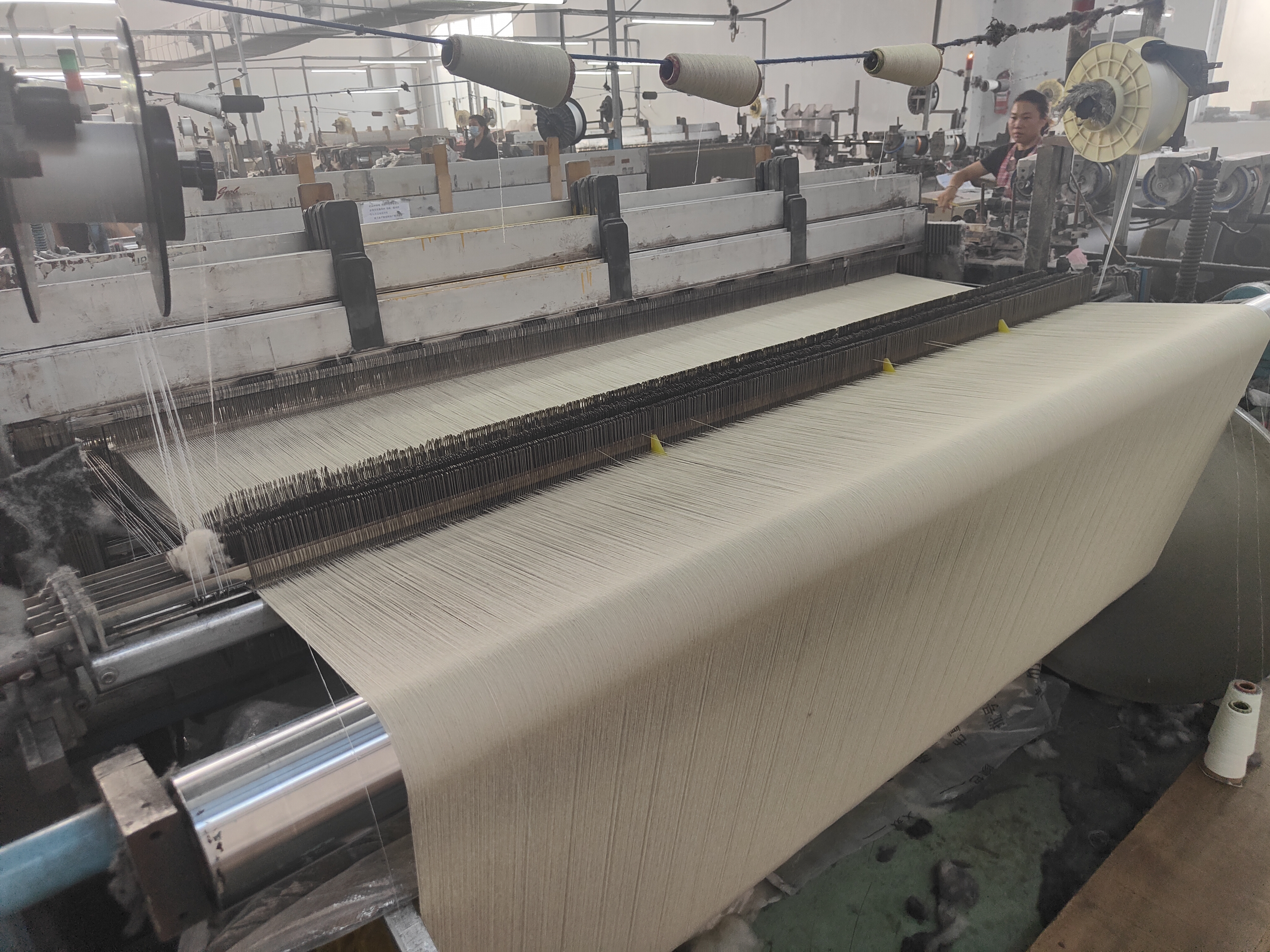 Continuous Weaving
Stable fabric formation to approved density, weave and machine
settings
Continuous Weaving
Stable fabric formation to approved density, weave and machine
settings
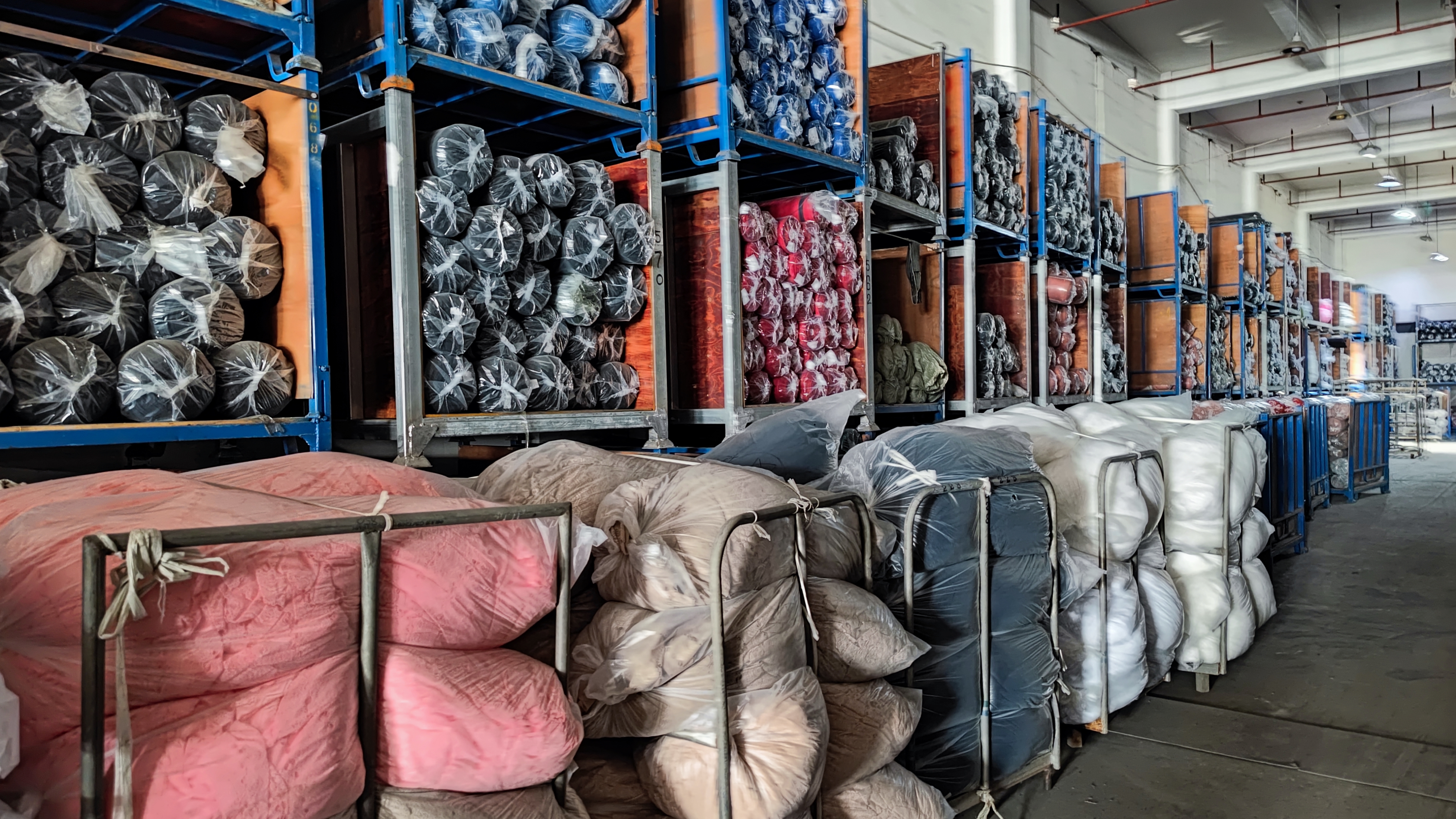 Yarn PreparationComposition, count, shade, lot and quantity checks
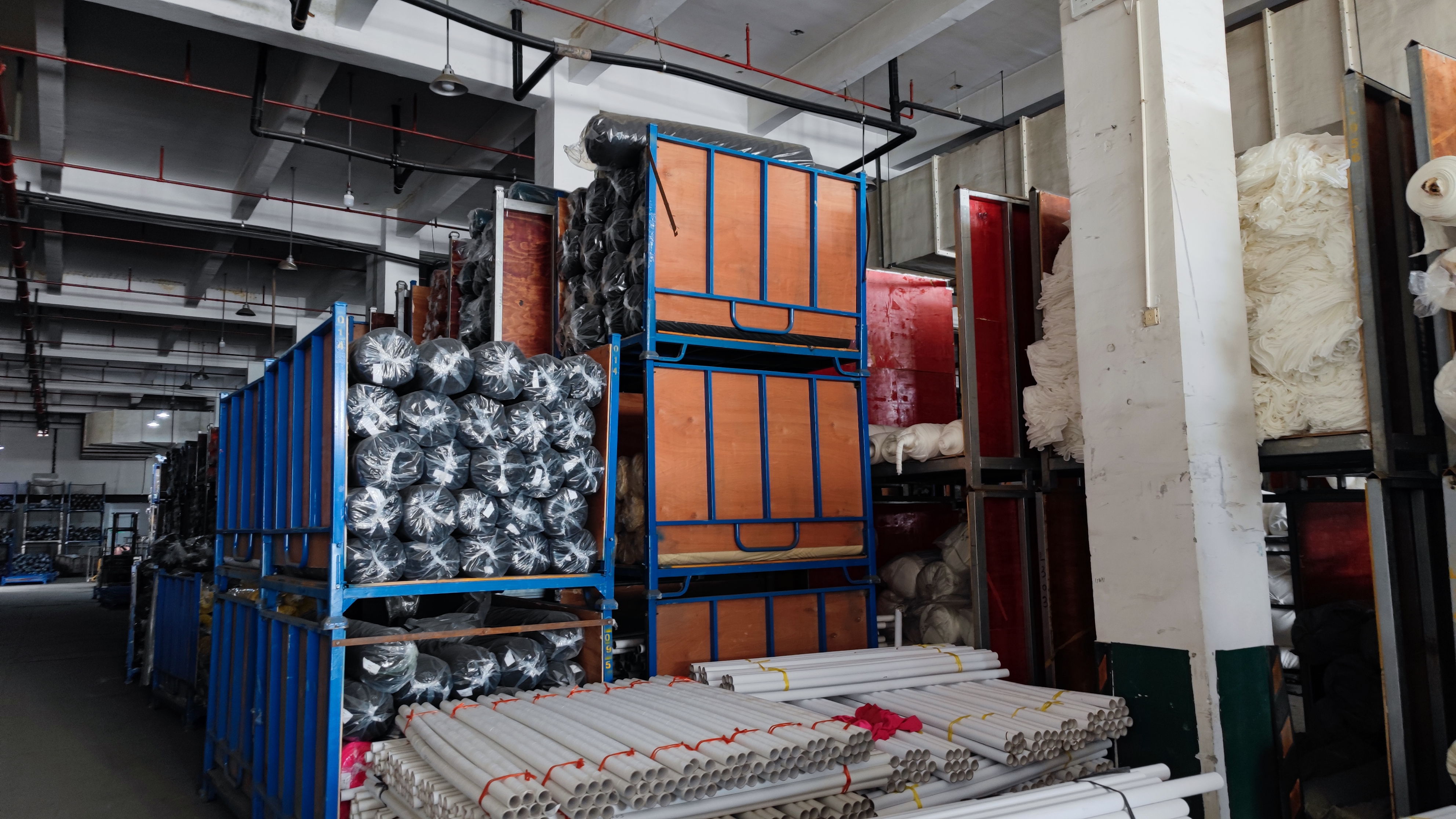 Warping and Beam PreparationWarp yarns arranged to controlled length and tension
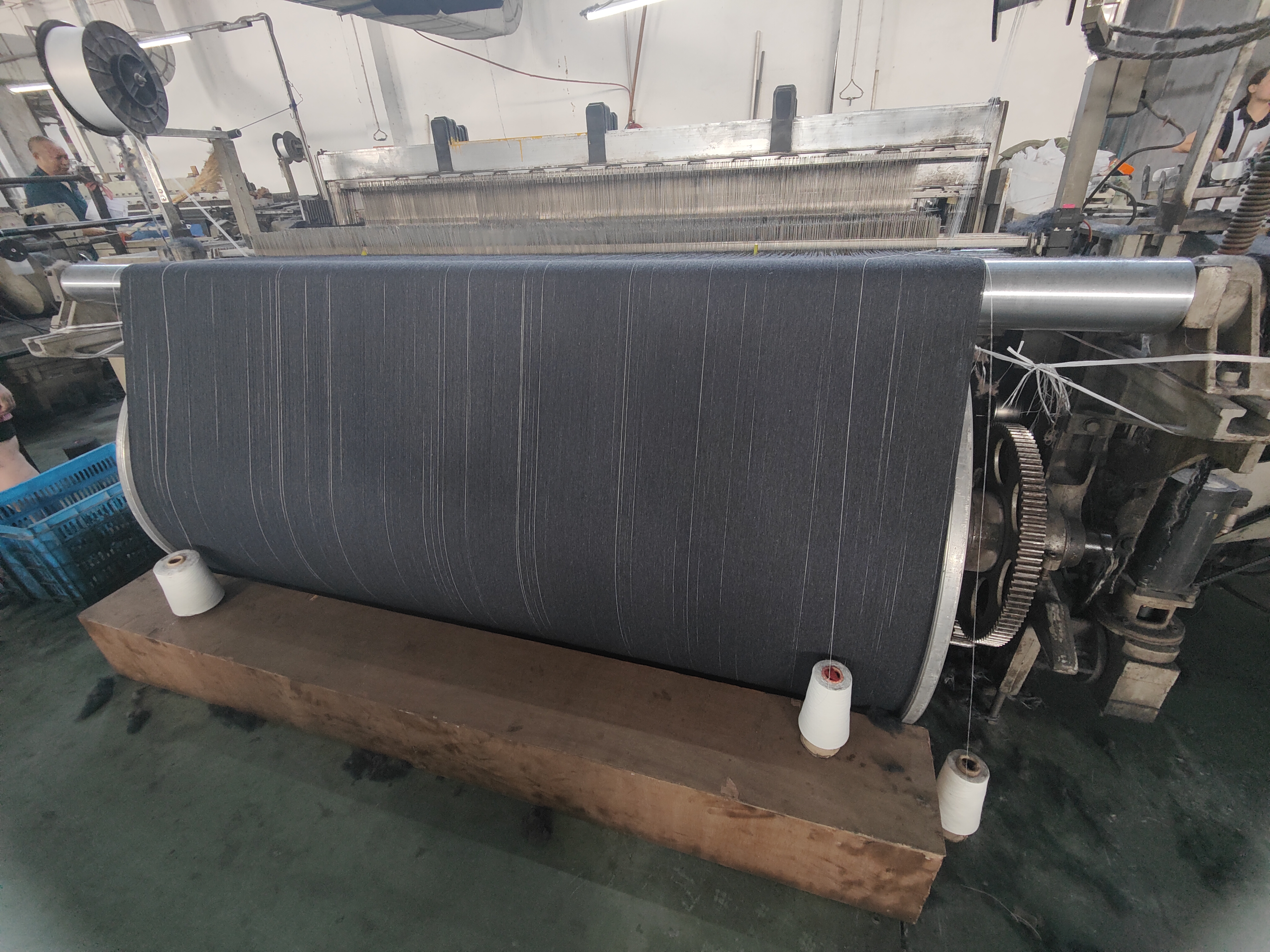 Drawing-in and Trial Weaving
Construction, surface, density and loom status
approval
Drawing-in and Trial Weaving
Construction, surface, density and loom status
approval
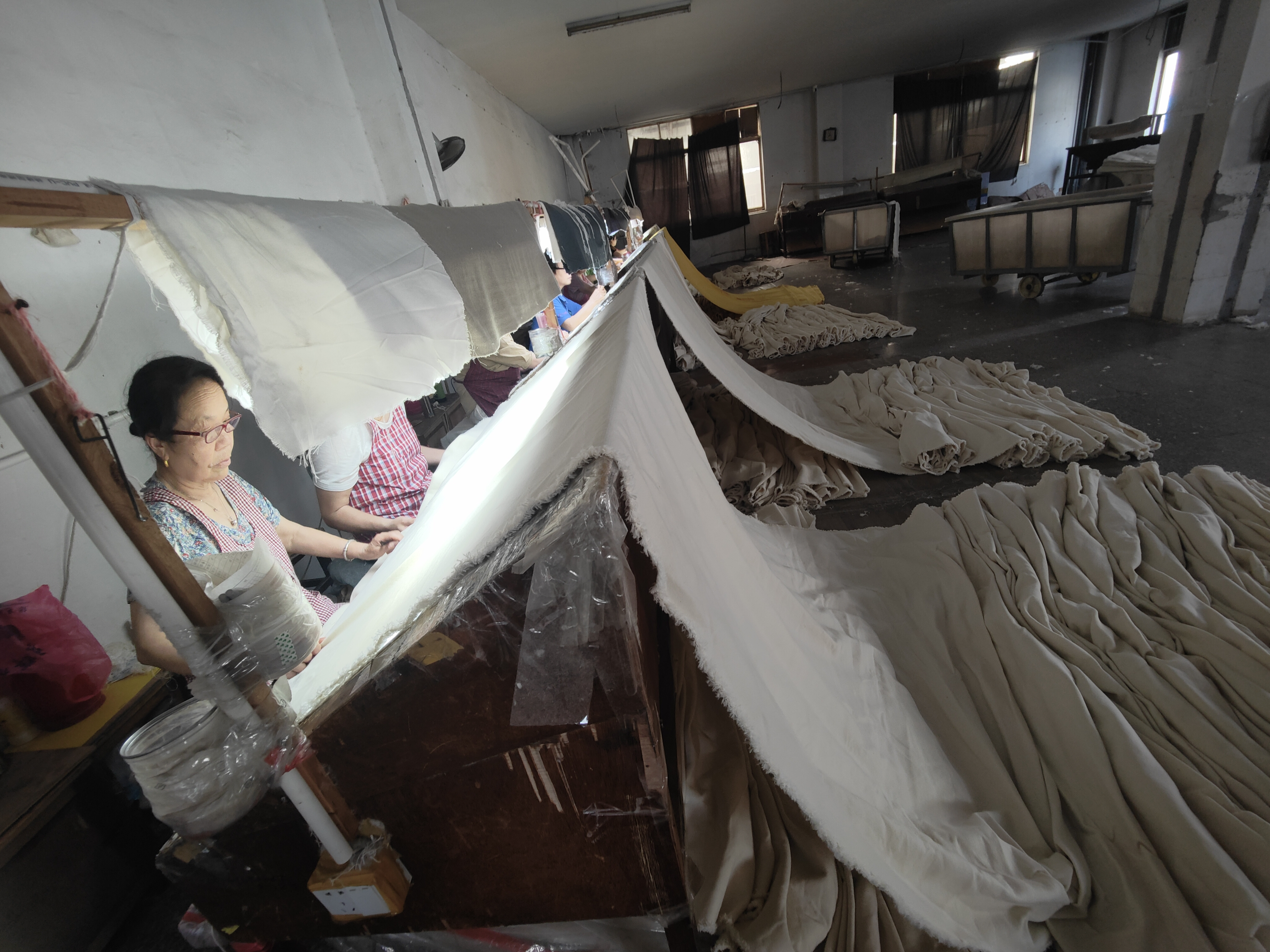 Greige Inspection
Checks for broken ends, picks, density bars, floats, stains and
width
Greige Inspection
Checks for broken ends, picks, density bars, floats, stains and
width
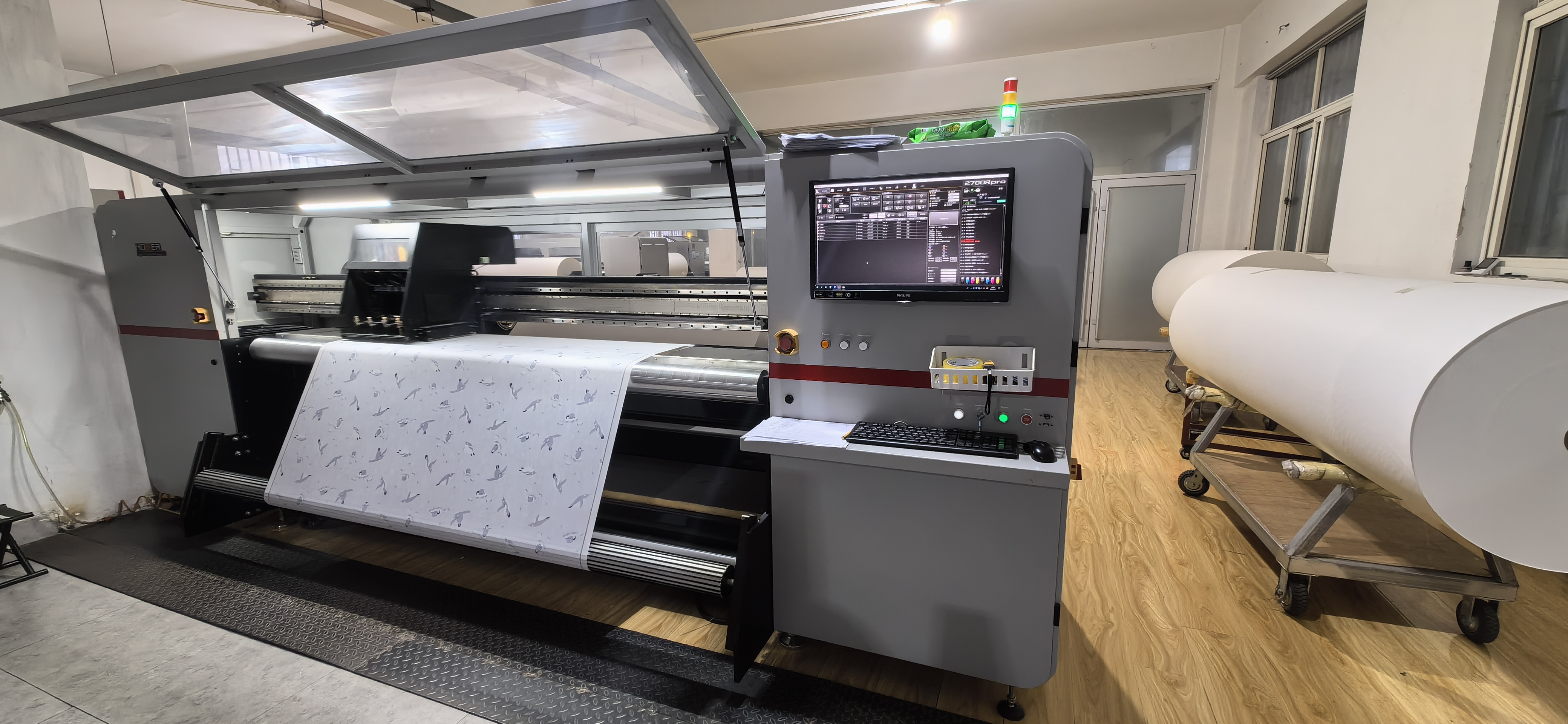 Dyeing, Printing and Finishing
Color, hand feel, width, shrinkage and functional
adjustments
Dyeing, Printing and Finishing
Color, hand feel, width, shrinkage and functional
adjustments
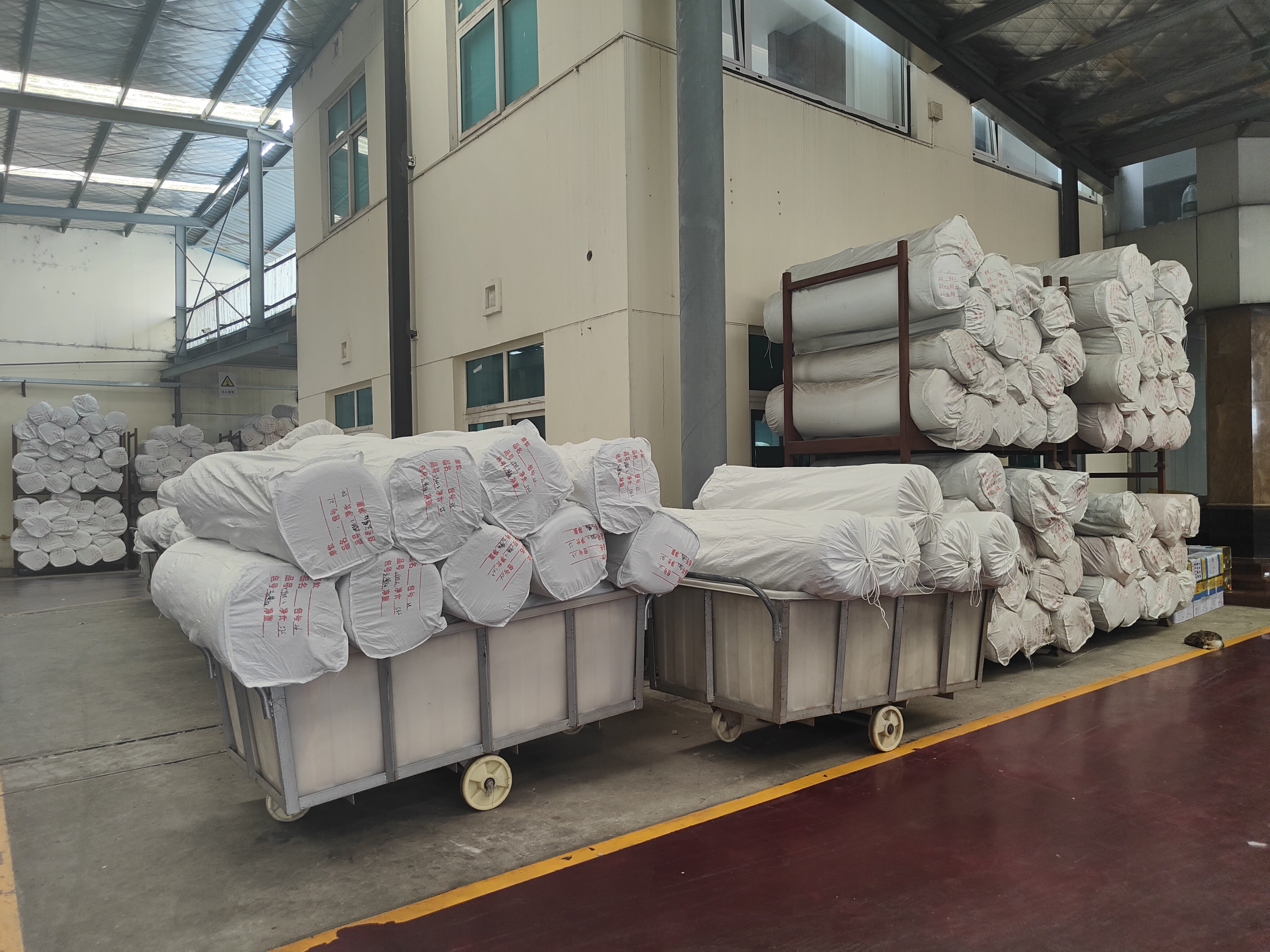 Inspection, Rolling and Shipping
Final inspection, rerolling, labels, packing and quantity
checks
Inspection, Rolling and Shipping
Final inspection, rerolling, labels, packing and quantity
checks
WOVEN QUALITY CONTROL
We inspect the weave and the fabric's performance in use.
Controls cover construction, shade and physical performance. Depending on the project, checks may include weight, width, defects, strength, abrasion, shrinkage, skew, colorfastness and batch variation.
WOVEN DEVELOPMENT PRIORITIES
Turn fit, use and hand-feel requirements into clear warp-and-weft parameters.
Start with a swatch, garment image or basic specification and Amber will define the development direction step by step.
Sample Construction Analysis Review both faces, yarn count, density, weight, width and finish.
Yarn Count and Density Balance fineness, thickness, breathability, strength and cost.
Weave Development Create the target appearance through plain, twill, satin or derivative weaves.
Hand Feel and DrapeDevelop soft, crisp, dry, fluid or brushed effects.
Wash and ColorfastnessConfirm shrinkage, skew and fastness as required.
Bulk Continuity Control yarns, beams, machines, color and finishing across batches.
START A WOVEN FABRIC PROJECT
Send a swatch or garment sample. We will begin with the warp-and-weft construction.
Share composition, yarn count, density, weave, weight, width, color, hand feel, wash requirements, quantity and target timing when available. A swatch or reference image is enough to start.