Physical Fabric Swatch
For analyzing construction, weight, width, stretch, surface character and finishing direction.
AMBER | SAMPLE ANALYSIS & REPRODUCTION
Turn a visible, tangible reference into workable materials, specifications and processes.
Even without a complete technical specification, you can begin with a physical fabric swatch, a finished garment or clear detail images. Amber evaluates the sample alongside its end use, target hand feel, performance, quantity and budget to guide analysis, reproduction sampling and production-standard approval.
START WITHOUT A COMPLETE SPECIFICATION
More complete information makes the development direction clearer. If you only have a swatch or finished garment, we can make an initial assessment first and confirm the end use and requirements step by step.
For analyzing construction, weight, width, stretch, surface character and finishing direction.
Helps evaluate fabric structure and performance in relation to the pattern, wearing area and actual application.
Useful for an initial view of fabric type, texture, color and process, and for deciding whether a physical sample is required.
Helps define material grade, production method, MOQ and a practical route for bulk production.
EIGHT CORE CHECKS
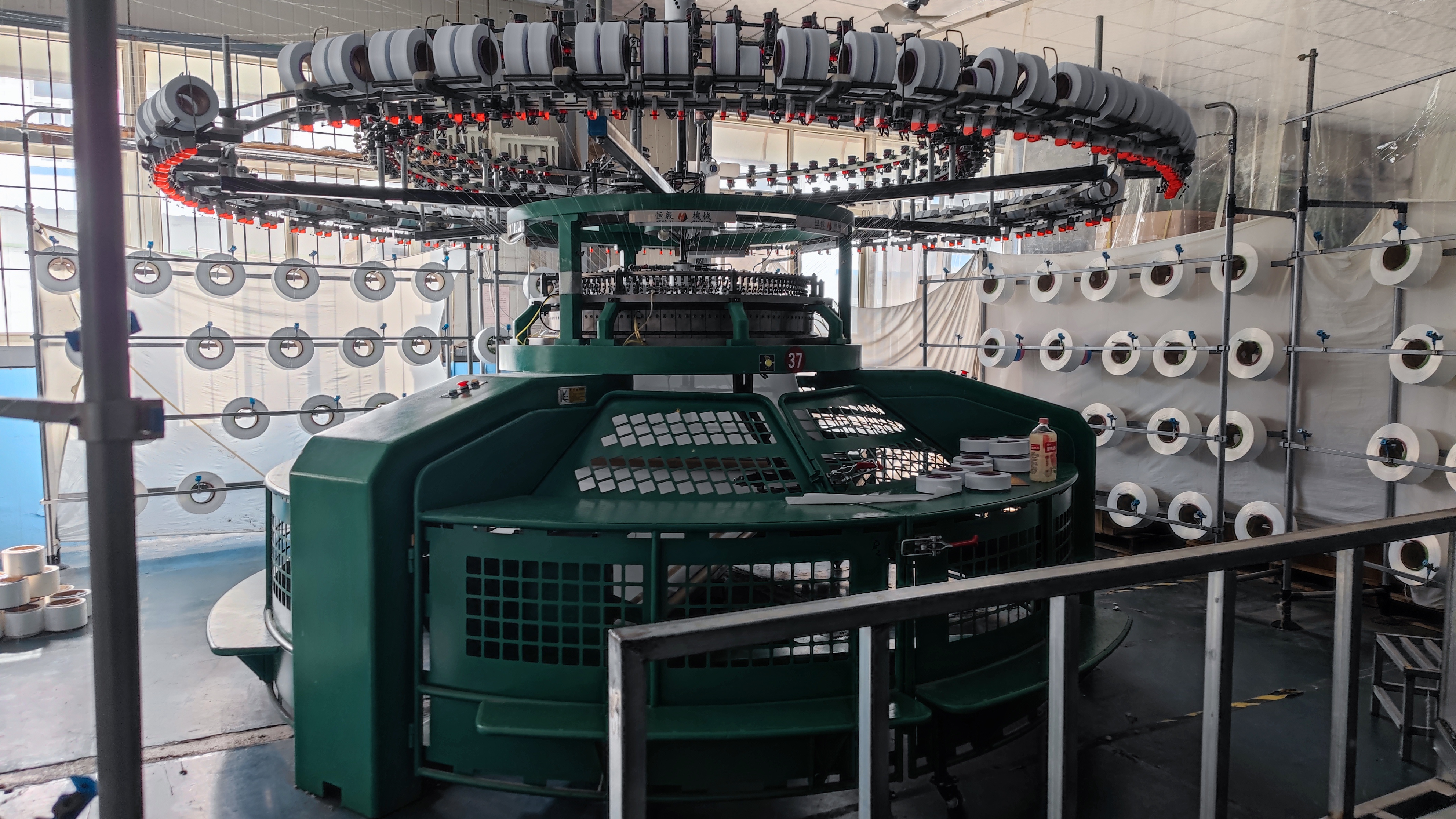
Amber reviews the factors that shape appearance, hand feel, performance and production stability, with further testing arranged when required.
Identify the principal fibers, likely blend and available material options.
Assess woven, knitted, lace, embroidered or composite structures.
Confirm weight per square meter, usable width and garment yield requirements.
Review yarn count, warp and weft density, loop structure and surface fineness.
Evaluate two-way or four-way stretch and the recovery needed in wear.
Define the target shade, viewing light and bulk color-tolerance direction.
Assess luster, texture, softness, drape, body and tactile character.
Evaluate brushing, washing, coating, shrinkage control or functional finishing options.
DEVELOPMENT PROCESS
Each critical point is approved before the next stage begins. The customer-approved sample becomes a key reference for bulk production and quality inspection.
Record sample condition, application, target quantity, budget and delivery requirements.
Confirm content, construction, weight, width, stretch, hand feel and surface character.
Build a development route covering yarn, base fabric, weaving, knitting, dyeing, finishing or decoration.
Produce a fabric sample, lab dip or pattern trial that presents the initial reproduction result.
Refine color, weight, hand feel, stretch and surface effect against the reference.
Lock the final sample and key parameters for bulk inspection and repeat orders.
Proceed with production, inspection, packing and delivery to the approved standard.
CLEAR OPTIONS WHEN LIMITS ARISE
The original may use discontinued yarns, specialized machinery or a process with a high MOQ. Amber compares the target effect with practical production conditions and presents workable development options.
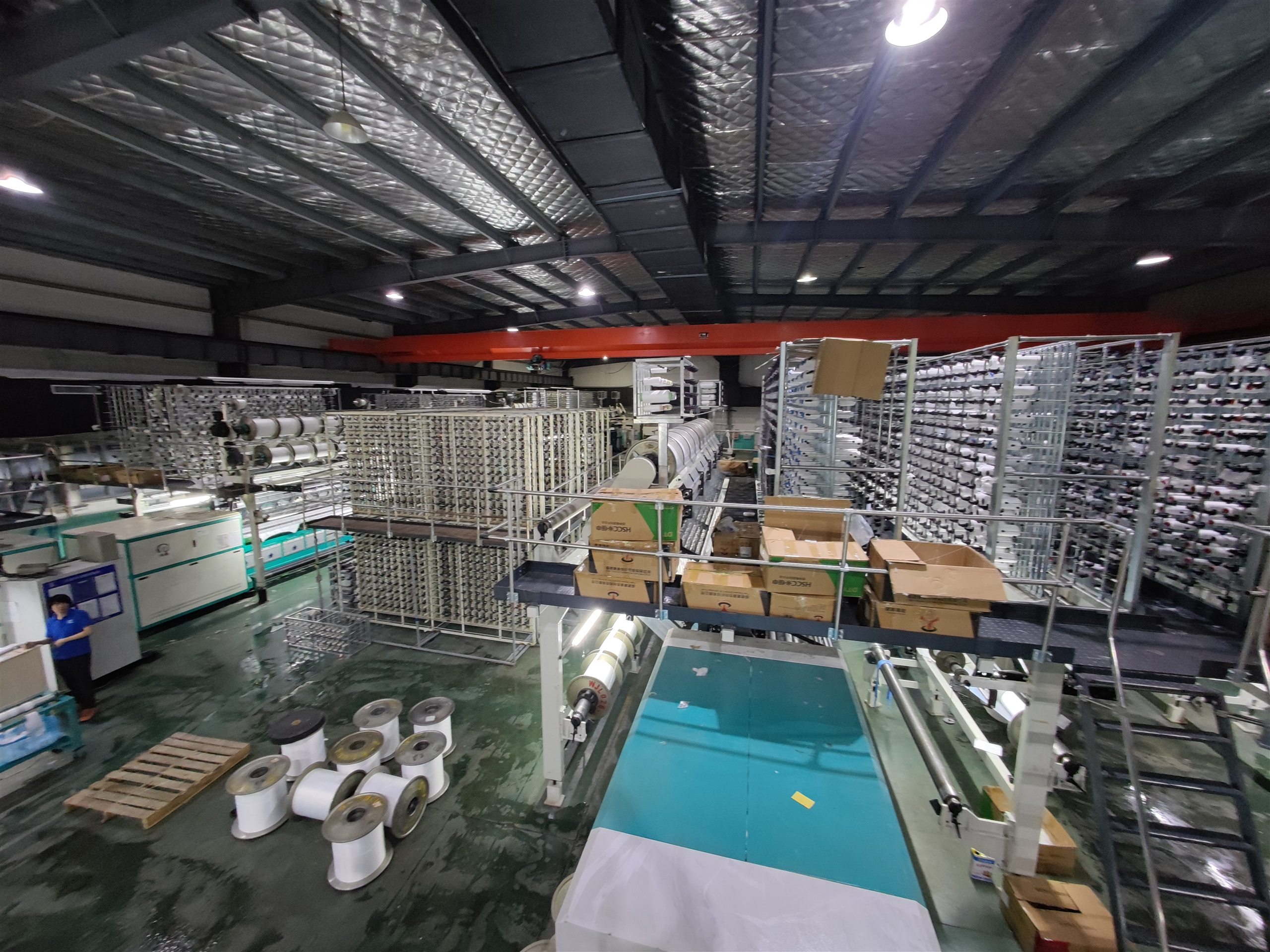
We explain differences in content, yarn, color or hand feel and suggest alternatives suitable for stable sourcing.
Weight, construction, blend or finishing can be refined to suit the target volume and budget.
We make an initial assessment from the intended use and visible features, then confirm each round with reference and development samples.
WHAT YOU RECEIVE
Development is not complete when a swatch is merely produced. The goal is to give the customer, production team and quality team one shared standard.
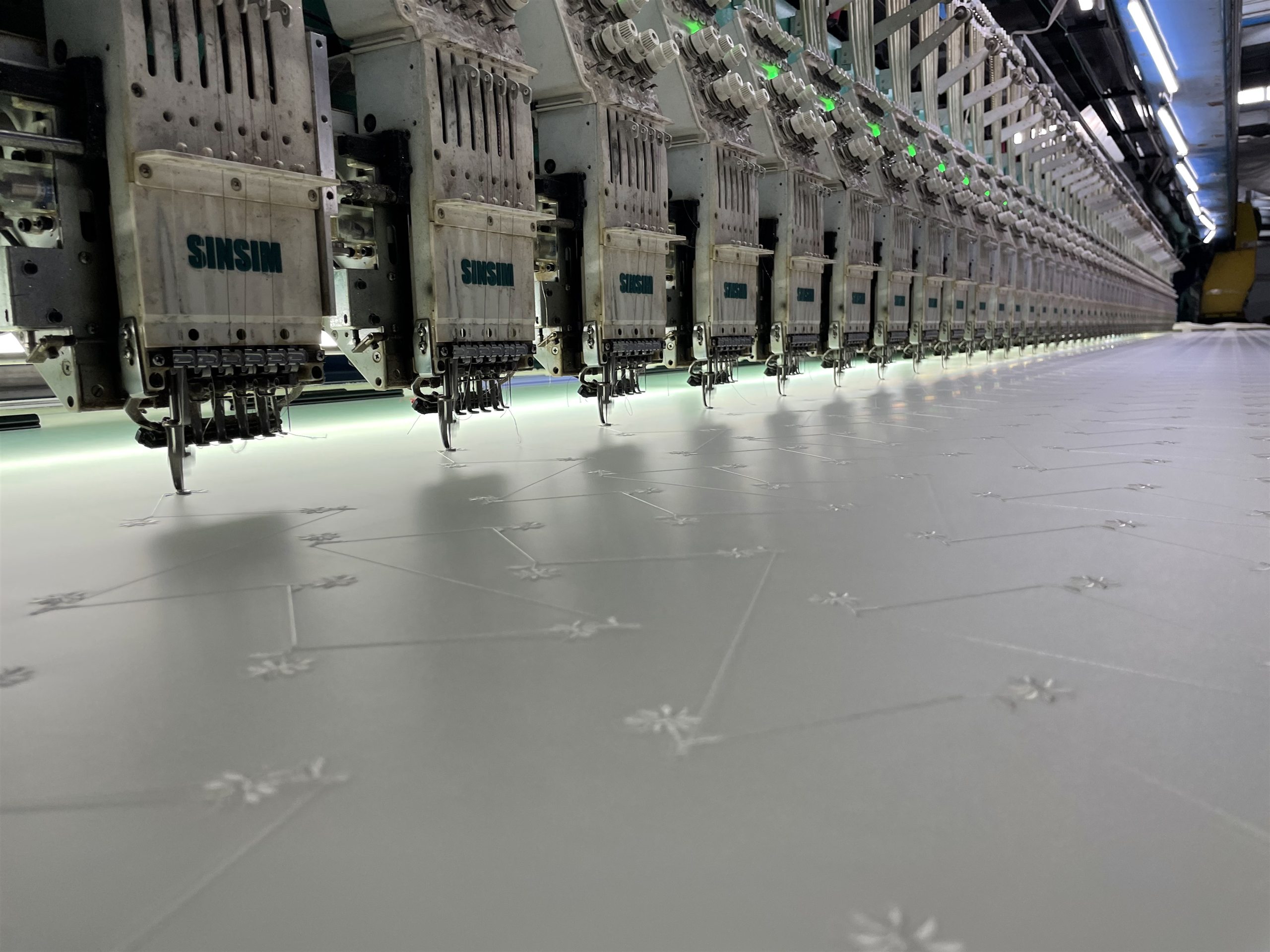
The approved sample is used to compare bulk color, appearance, hand feel and process effect. Key specifications and production records support inspection and repeat-order review.
Records the critical factors affecting appearance, performance and production stability.
Defines the development direction, executable conditions and differences requiring approval.
Uses a physical sample to preserve visual and tactile requirements that words alone cannot define.
Supports pre-production approval, in-process checks and pre-shipment quality comparison.
Retains approved samples and key records to reduce specification differences between batches.
START WITH ONE SAMPLE
Please include the end use, target quantity, budget, performance requirements and required delivery date. If specifications are incomplete, Amber can begin with the sample itself.